Everyday jobs like using the toilet, bathing, cooking and cleaning all involve bending, reaching and lifting. A few changes protect your spine while it heals. This page shows how to do common household tasks safely, including in an Indian home.
Reviewed by Dr. Kshitij Chaudhary, Last reviewed November 2026
At our spine clinic at P.D. Hinduja Hospital, Mahim, Mumbai, patients often ask how they will manage at home. These tips apply after any spine surgery. Your lifting and sitting limits come first. If your surgeon gave you different instructions, follow those first.
How do I use the toilet?
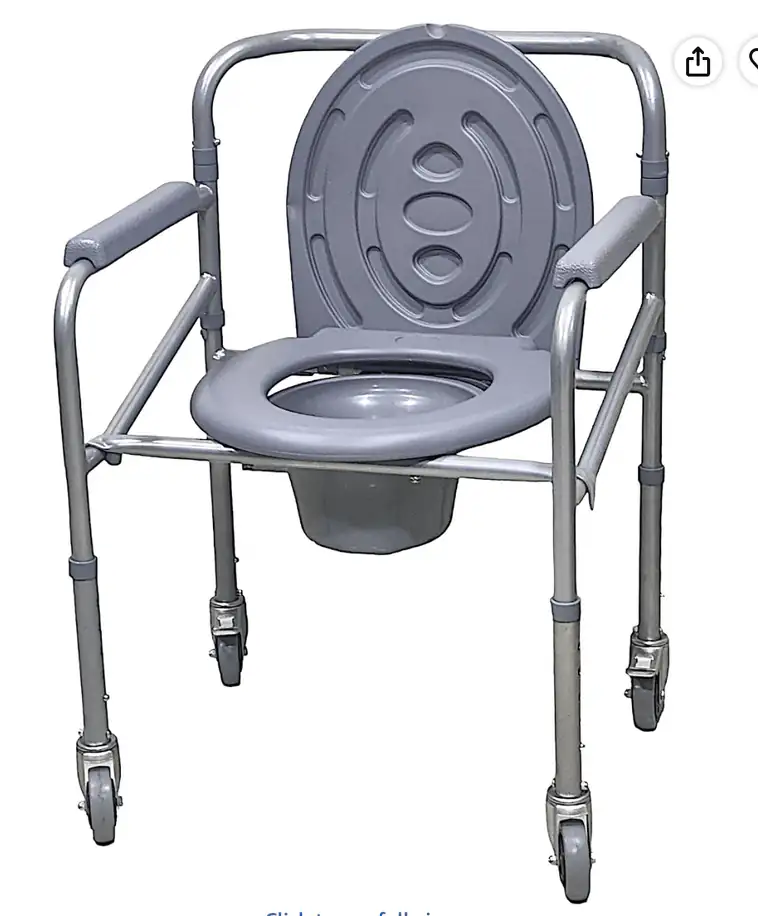
- Avoid squatting. If you have an Indian-style toilet, use a commode chair that fits over it. On a Western toilet, use a raised toilet seat.
- Keep your back straight as you sit down and stand up. Hold the armrests or a grab bar beside you, not in front of you.
- Wash with a health faucet (bidet spray) or a long-handled aid, so you do not have to twist or bend.
- Do not strain. See Food and Constipation After Spine Surgery.
How do I bathe?
Until your wound is cleared, follow Wound Care and Showering After Spine Surgery. Sit on a plastic stool, use a hand-held shower or a mug, and put a non-slip mat on the floor. Use a long-handled sponge for your back and feet instead of bending. Bathroom floors get slippery, so take your time.
How do I get dressed?
- Sit on the edge of the bed or on a chair to dress.
- Wear loose clothes with elastic waists, and front-opening shirts or kurtas. Avoid anything you have to bend to fasten.
- Use a sock aid, a reacher and a long-handled shoehorn. Choose slip-on chappals with a back strap, or shoes with elastic laces.
- Pull a shirt over your arms first, then your head.
- Keep your clothes between waist and shoulder height, so you do not bend for them.
How do I brush my teeth and wash my face?
Stand at the basin with your knees slightly bent and one hand on the basin. Do not bend over from your waist. If the basin is low, spit into a bowl.
How do I cook?
- Work at a counter at waist height. Do not sit on the floor to chop vegetables or roll rotis.
- Keep everyday items between waist and shoulder height.
- Sit on a high stool for chopping, and sit for a break every 20 to 30 minutes.
- Do not lift heavy vessels, a full pressure cooker or a gas cylinder. Anything over 4.5 kg is too heavy. Slide pots along the counter, and ask someone to help.
How do I clean and do laundry?
- Ask someone else to do the sweeping, mopping, bathroom cleaning and bed-making for the first weeks. A broom (jhadu) or mop (pocha) makes you bend and twist.
- Later, use tools with long handles. Stand upright and step back and forth instead of twisting.
- Use a washing machine if you can. Do not squat over a bucket to wash clothes by hand.
- Carry small loads, and hang washing at chest height so you do not reach overhead.
- Order groceries online, or ask the shop to deliver. Do not carry heavy bags or water cans.
How should I sit and rest?
Use a firm chair with armrests. Avoid low sofas and sitting on the floor. If you pray or meditate sitting on the floor, use a firm chair instead until your surgeon says the floor is fine. Rest lying down for short spells between jobs. See Sleeping Postures After Your Spine Surgery.
How do I care for a small child?
A baby or toddler is usually heavier than your lifting limit. Ask family to do the lifting. Sit down and let your child climb onto your lap. Change and dress your child on a counter or bed at waist height, and kneel, do not bend, at bath time. Use pillows to support the baby when you feed.
Who can help me?
Arrange for a family member or attendant to help for the first one to two weeks, with meals, bathing and housework. See Preparing for Surgery for how to set up your home.
Other resources
Everyday Body Mechanics: Move Well and Protect Your Spine, The First Weeks After Spine Surgery and your rehab plan: Rehab protocol following lumbar discectomy, Rehab protocol following lumbar decompression or Rehab protocol following lumbar fusion.
This page is for general information and does not replace a medical consultation. Please see a doctor for advice about your own symptoms.